This theme aims to collate work on climate change vulnerability definitions, concepts and frameworks and highlight case assessments of vulnerability from community to cities to national level and from livelihoods to resource sectors by researchers and practitioner.
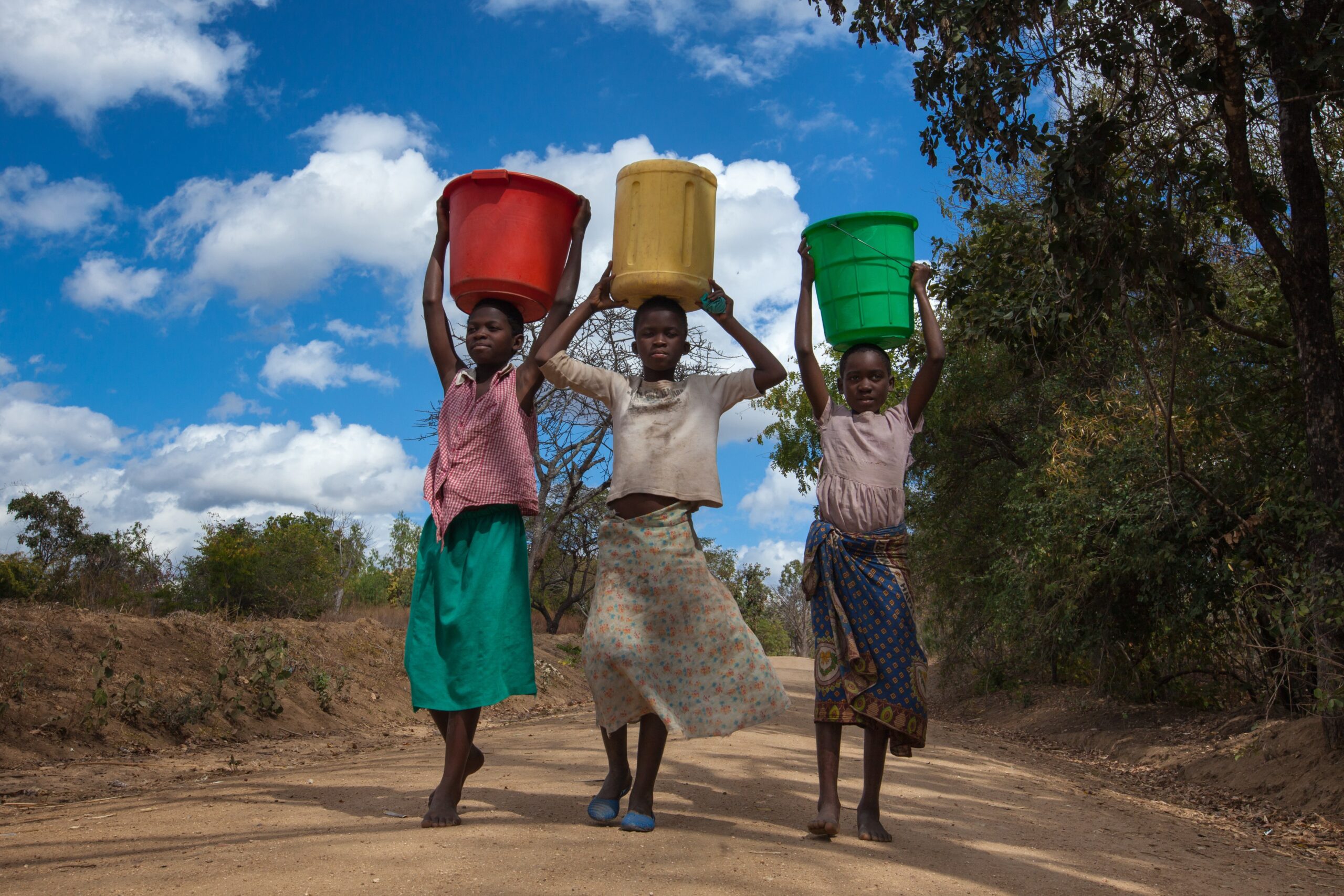
Definitions of vulnerability have arisen from a range of academic disciplines and accompanying frameworks for vulnerability. The Glossary of the IPCC Sixth Assessment Report (2022) defines vulnerability to climate change broadly as follows: “The propensity or predisposition to be adversely affected. Vulnerability encompasses a variety of concepts and elements including sensitivity or susceptibility to harm and lack of capacity to cope and adapt”. The AR6 has noted that ‘Vulnerability of ecosystems and people to climate change differs substantially among and within regions (very high confidence), driven by patterns of intersecting socioeconomic development, unsustainable ocean and land use, inequity, marginalization, historical and ongoing patterns of inequity such as colonialism, and governance’. By looking at questions of social and physical vulnerability, dynamic and multi-stressor vulnerability, the theme will cover sectors such as agriculture, water, forestry, health and so on at a range of scales, from the household and community levels, rural and urban up to national and regional levels.
Regardless of the vulnerability analysis framework used social, economic, institutional, and political structures modify social and climate change vulnerability, hence there is a focus on multi- stressor vulnerability. The theme covers also assessments of vulnerability, and some impacts to climate change across sectors, nations and regions, and identification of adaptation options through vulnerability analysis. Increasingly there is concern about the resilience of urban areas to climate change and also on differential vulnerability between genders and better off and poorer communities.
Evaluating vulnerability and adaptation strategies is important to identify and measure the level of the short- and long-term threats (natural disasters, climate change) and the ability to cope with these threats. Evaluation can also inform and support decision-making, government policies, planning, international aid and investment, help and orientate processes for deciding on priorities in strategies and initiatives to reduce vulnerability and adapt and, finally, for defining and applying measures aimed at reducing present and future vulnerability.